

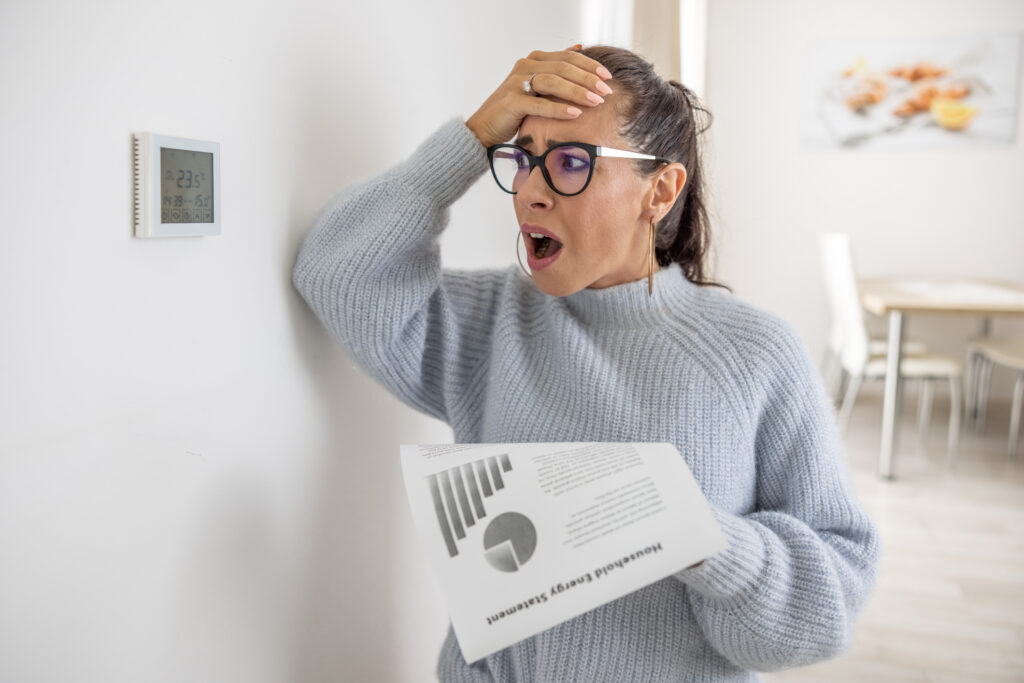
If your heating bill recently shot up without a major change in the weather, your system may be using far more energy than it should. It’s a common problem for homeowners with older or poorly maintained furnaces: Your home stays warm, but your wallet feels the chill. Understanding where that wasted energy goes is the first step toward lowering your bills and improving your comfort.
Why Your Heating System May Be Wasting Energy
A heating system doesn’t need to completely break down to start costing you money. Over time, small inefficiencies build up, forcing your furnace or heat pump to work harder to produce the same results.
Common causes of energy waste include:
- Clogged or dirty air filters: Restricted airflow makes your system run longer cycles, burning more fuel or electricity.
- Worn motors or blower components: As parts age, they lose efficiency and draw more power.
- Aging or oversized units: Older systems, especially those 15+ years old, often operate below 70–80% efficiency, converting much of their energy into waste heat.
- Poor duct design or leaks: If ducts aren’t properly sealed or balanced, heated air escapes before reaching your living spaces.
Together, these issues can quietly increase energy use by 20–30% or more. Regular maintenance can help, but there comes a point when even the most diligent tune-ups can’t overcome outdated technology.
How Energy Efficient Heating Systems Work
Modern heating systems are designed with performance and conservation in mind. If your current unit is more than 10–15 years old, upgrading to a high-efficiency model can drastically reduce your monthly costs while improving comfort and air quality.
When considering replacement, look at your system’s AFUE (Annual Fuel Utilization Efficiency) rating for furnaces or SEER (Seasonal Energy Efficiency Ratio) rating for heat pumps. Units with AFUE ratings above 90% or SEER ratings above 15 are considered high efficiency. If your current system falls well below these numbers or its warranty has expired, it’s likely time for an upgrade.
Energy Efficient Residential Furnaces
Newer furnaces use advanced burner technology, variable-speed blowers, and sealed combustion chambers to deliver more heat with less waste. Unlike older single-stage models that run at full power regardless of demand, modern furnaces adjust output based on real-time heating needs. This not only saves energy but also creates more even temperatures throughout your home.
Heat Pumps
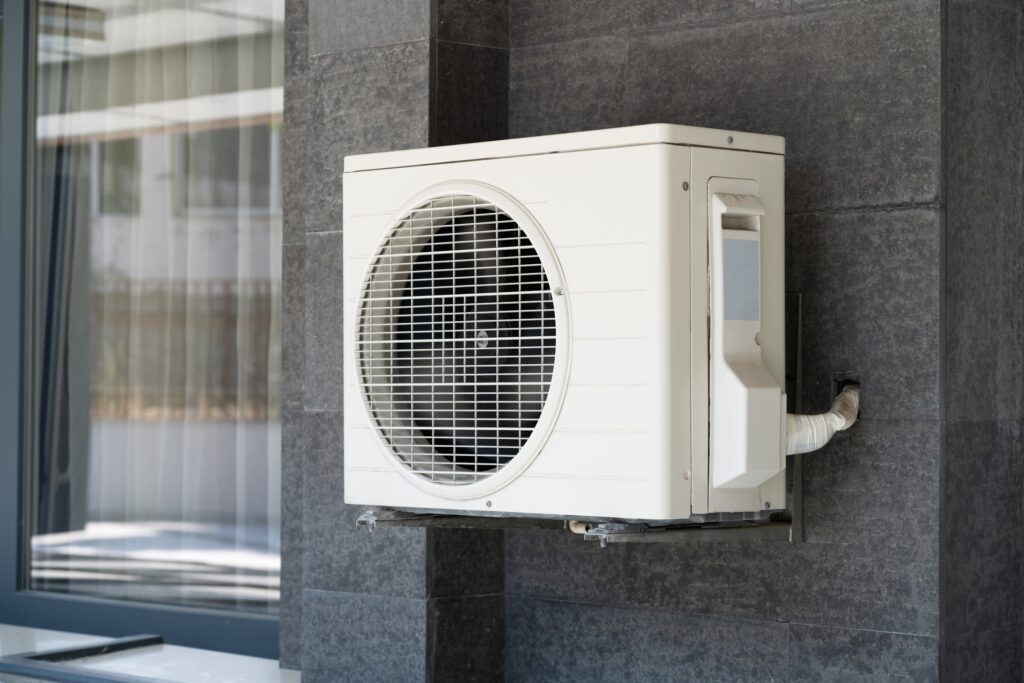
Heat pumps are another excellent option for homeowners looking to reduce energy use. Instead of generating heat, they transfer warmth from the air or ground, using far less electricity than traditional systems. Modern models can even provide reliable heating in colder climates. For homes without existing ductwork, ductless mini-split heat pumps offer efficient, zoned heating and cooling with minimal installation.
Benefits of Upgrading Your Heating System
Upgrading to a new energy-efficient system offers more than just lower bills. Benefits include:
- Lower monthly utility costs
- Consistent, balanced home comfort
- Improved indoor air quality
- Fewer repairs and breakdowns
- Quieter operation
- Increased home value
These systems often qualify for manufacturer rebates, local utility incentives, or federal energy tax credits, making the investment even more worthwhile.
Schedule Heating System Replacement with Masters Heating and Cooling
If your heating bills have started climbing, don’t wait until winter’s coldest days to take action. The experts at Masters Heating and Cooling can inspect your system, pinpoint inefficiencies, and recommend the best path forward, whether that’s repair, maintenance, or a full replacement. With decades of experience serving homeowners in the region, Masters Heating and Cooling delivers high-efficiency solutions that lower costs and keep your home comfortable year-round.
Ready to stop wasting energy? Contact Masters Heating and Cooling today to schedule a heating system assessment and discover how much you could save with a modern, efficient upgrade!